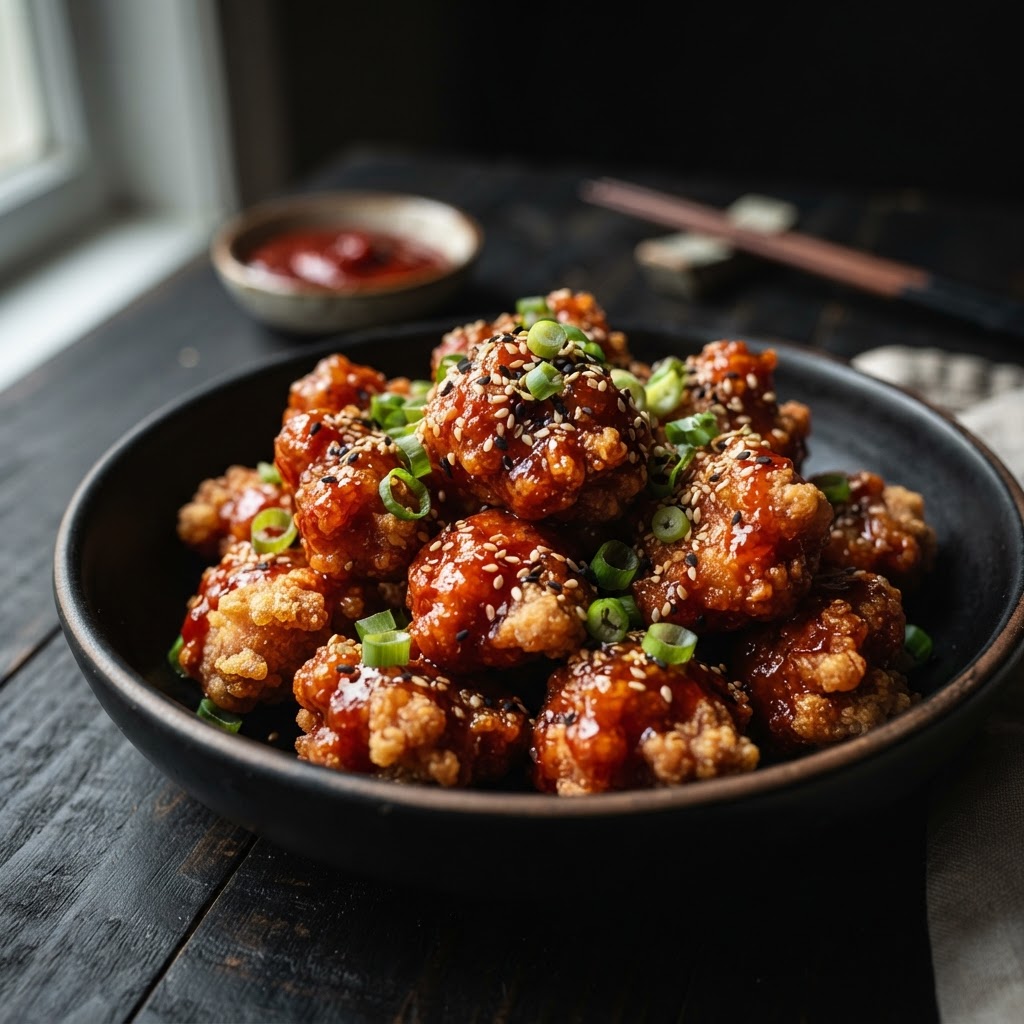
Korean Gochujang Glazed Fried Chicken Bites
July 18, 2026
Korean fried chicken — known as yangnyeom tongdak (양념 통닭) when glazed — is one of the most widely known street foods of South Korea. It is distinguished from American fried chicken by two key techniques: the chicken is double-fried, which produces an audibly thin, glass-like crust that stays crisp even under a thick glaze; and the glaze is a complex, sweet-spicy-umami sauce built around gochujang, Korea's fermented red pepper paste. For a party, bite-sized pieces of double-fried chicken tossed in a glossy gochujang glaze are the ideal finger food — crisp, sticky, spicy, and deeply addictive.
The double-fry technique is the defining innovation of Korean fried chicken. The first fry at a lower temperature (around 320°F / 320°F) cooks the chicken through and sets the crust. The chicken is then rested while the oil temperature is raised to 375°F (374°F), and the pieces are fried a second time for a shorter period. This second fry drives off surface moisture, creating an ultra-thin, shatteringly crisp crust that American single-fry methods cannot replicate. The glaze — gochujang, soy sauce, garlic, ginger, sugar, and rice vinegar — is applied warm and clings to every crack of the crisp surface.
About the Ingredients
Gochujang is Korea's essential fermented condiment — a thick, dark red paste made from gochu-garu (Korean red pepper flakes), glutinous rice, fermented soybeans, and salt. It is spicy, sweet, savory, and deeply umami. CJ Haechandol and Sempio are two of the most respected Korean brands. Gochujang is available at any Korean grocery store and most major supermarkets. Do not substitute Sriracha or other chili sauces — the fermented depth of gochujang is irreplaceable.
Chicken should be boneless, skinless thighs — the juicier, more flavorful cut that stands up to double-frying without drying out. Boneless wings or drumettes also work well.
Potato starch or cornstarch is used in the batter — it produces a lighter, crispier crust than all-purpose flour. Korean fried chicken traditionally uses potato starch, which creates a particularly glass-like crunch.
Ingredients (makes approximately 30 bite-sized pieces): - 2 lbs boneless, skinless chicken thighs, cut into 1½-inch pieces - 1 cup potato starch or cornstarch - ½ cup all-purpose flour - 1 teaspoon baking powder - 1 teaspoon salt - ½ teaspoon black pepper - 1 large egg, beaten - ½ cup ice water - Vegetable oil for frying
For the gochujang glaze: - 3 tablespoons gochujang (Korean red pepper paste) - 2 tablespoons soy sauce - 2 tablespoons granulated sugar - 1 tablespoon rice vinegar - 1 tablespoon honey - 3 cloves garlic, minced - 1 tablespoon fresh ginger, grated - 1 teaspoon toasted sesame oil - 1 tablespoon water - Toasted sesame seeds for garnish - Sliced green onions for garnish
Instructions: For the glaze: combine the gochujang, soy sauce, sugar, rice vinegar, honey, garlic, ginger, sesame oil, and water in a small saucepan. Simmer over medium heat for 3–4 minutes until slightly thickened and glossy. Keep warm.
For the batter: whisk together the potato starch, flour, baking powder, salt, and pepper in a shallow bowl. In another bowl, whisk the egg and ice water. Dip the chicken pieces first in the dry mixture, then in the egg wash, then back in the dry mixture for a double coating. Shake off excess.
Heat 2 inches of oil in a heavy pot to 320°F (320°F). Working in batches of 8–10 pieces, fry the chicken for 4–5 minutes until golden and cooked through. Remove and drain on a wire rack. Let rest for 5 minutes.
Raise the oil temperature to 375°F (374°F). Fry the chicken again in batches for 2–3 minutes until deeply golden and audibly crisp. Drain on fresh paper towels.
Transfer the hot, crisp chicken to a large bowl. Pour the warm glaze over the chicken and toss vigorously to coat every piece. The glaze should cling to the crisp surface without soaking in. Transfer to a serving platter, sprinkle with sesame seeds and green onions, and serve immediately.
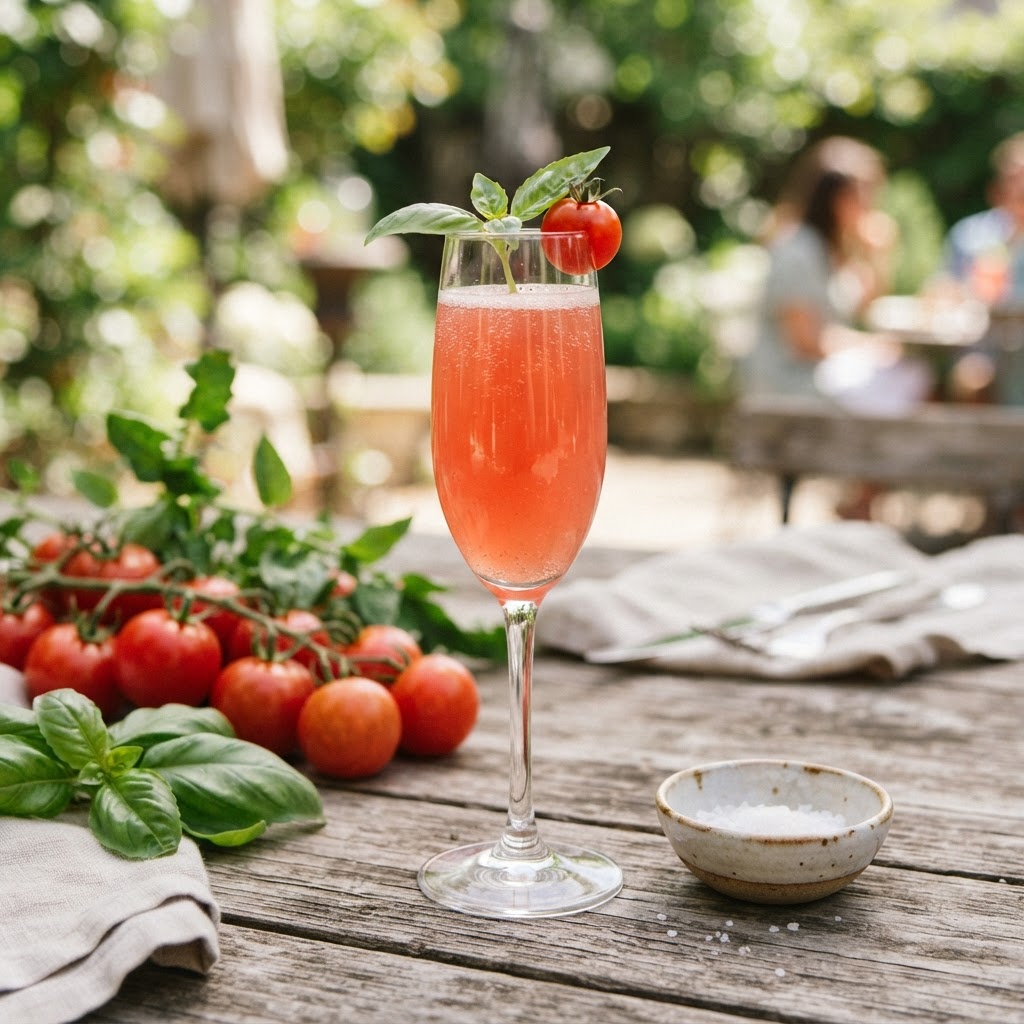
The Mimosa Pairing Logic: The sweet, spicy, umami-rich gochujang glaze and the crispy fried chicken demand a bright, acidic, fruit-forward beverage to cut through the richness and refresh the palate. A classic Champagne mimosa or a pomegranate mimosa is ideal — the citrus acidity cuts through the fried batter and the sticky glaze, while the fruit sweetness balances the gochujang's heat. The bubbles provide a cleansing effect between each intensely flavored bite.
Reference Links: - Korean fried chicken technique: Fit Kitchen Life - Gochujang glazed chicken: Bon Appétit - Korean cuisine guide: TasteAtlas
Make-Ahead: The glaze can be made up to 5 days in advance and refrigerated; gently reheat before tossing. The chicken can be cut and coated in the dry mixture up to 4 hours ahead; do not add the egg wash until just before frying. The first fry can be done up to 2 hours ahead — hold at room temperature on a wire rack. The second fry and glazing must be done just before serving.
Pro Tips: The double-fry is the entire technique — do not skip the second fry. The resting period between the first and second fry allows moisture to migrate to the surface, which the second fry then drives off, creating the signature glass-like crust. The glaze must be warm when applied — cold glaze will not cling properly and will soften the crust. Toss briefly and serve immediately; the longer the glazed chicken sits, the softer the crust becomes. Use potato starch if you can find it — it produces a noticeably crispier, more delicate crust than cornstarch.
Rate this recipe
Be the first to rate this recipe
to submit your rating.
Perfect Mimosa Pairings
Mimosas that pair perfectly with this dish
Recent Posts
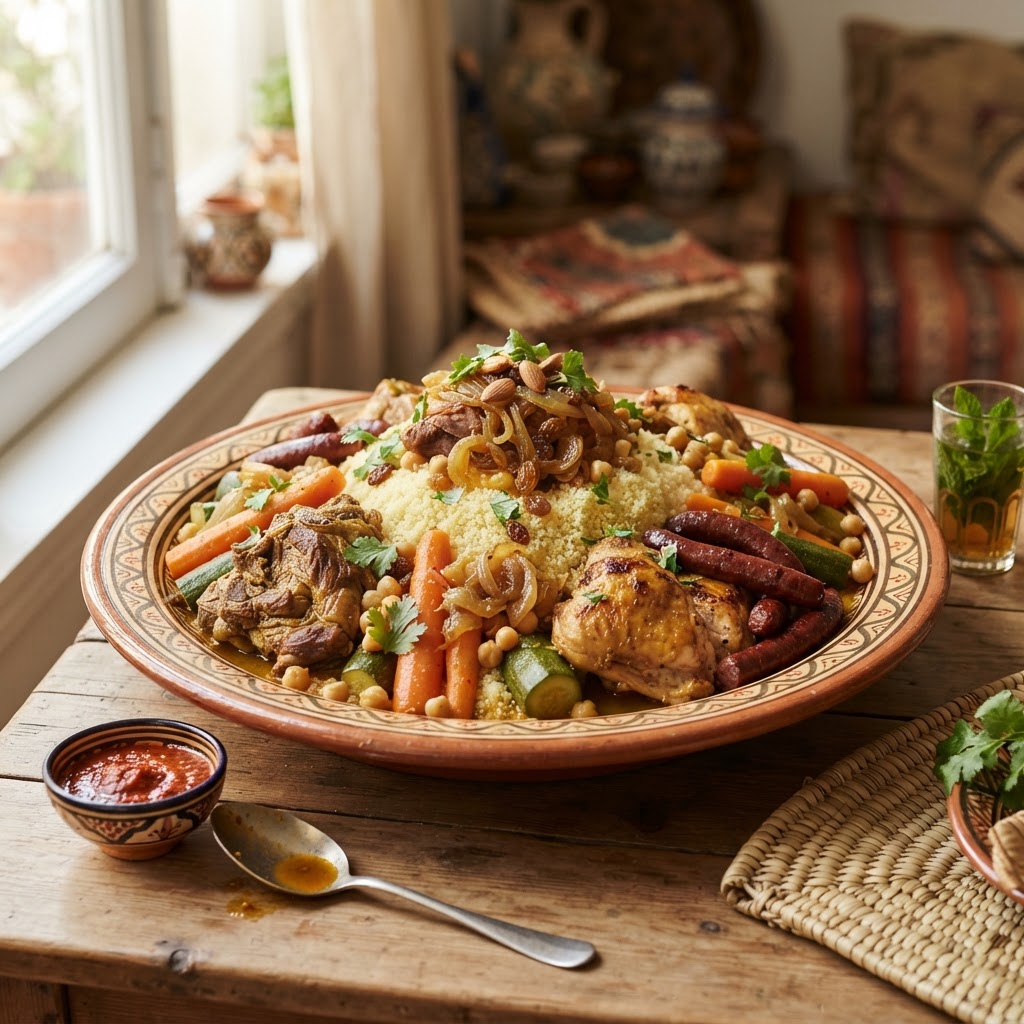
Couscous Royale: North Africa's Grand Platter of Lamb, Chicken, and Merguez
October 14, 2026
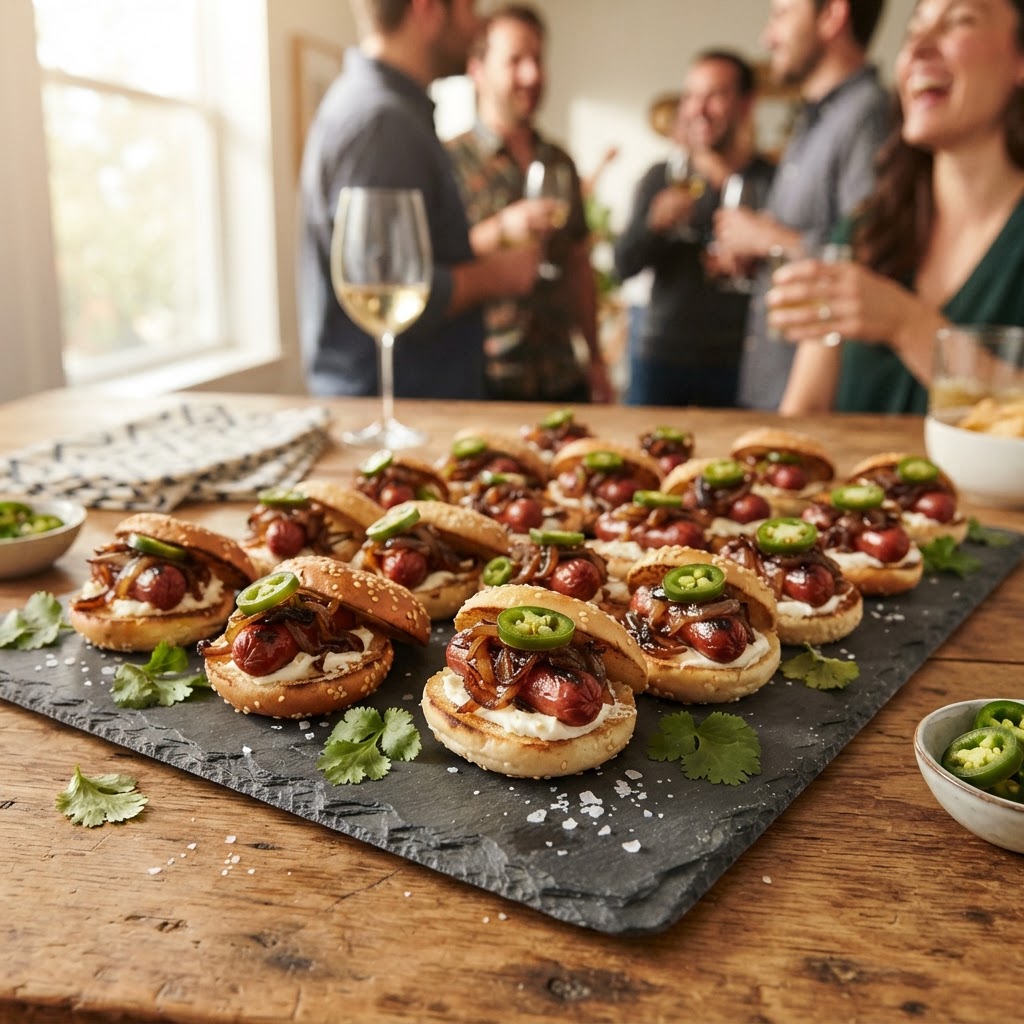
Seattle Cream Cheese Dog Bites: Hadley Long's 1989 Pioneer Square Invention
October 14, 2026
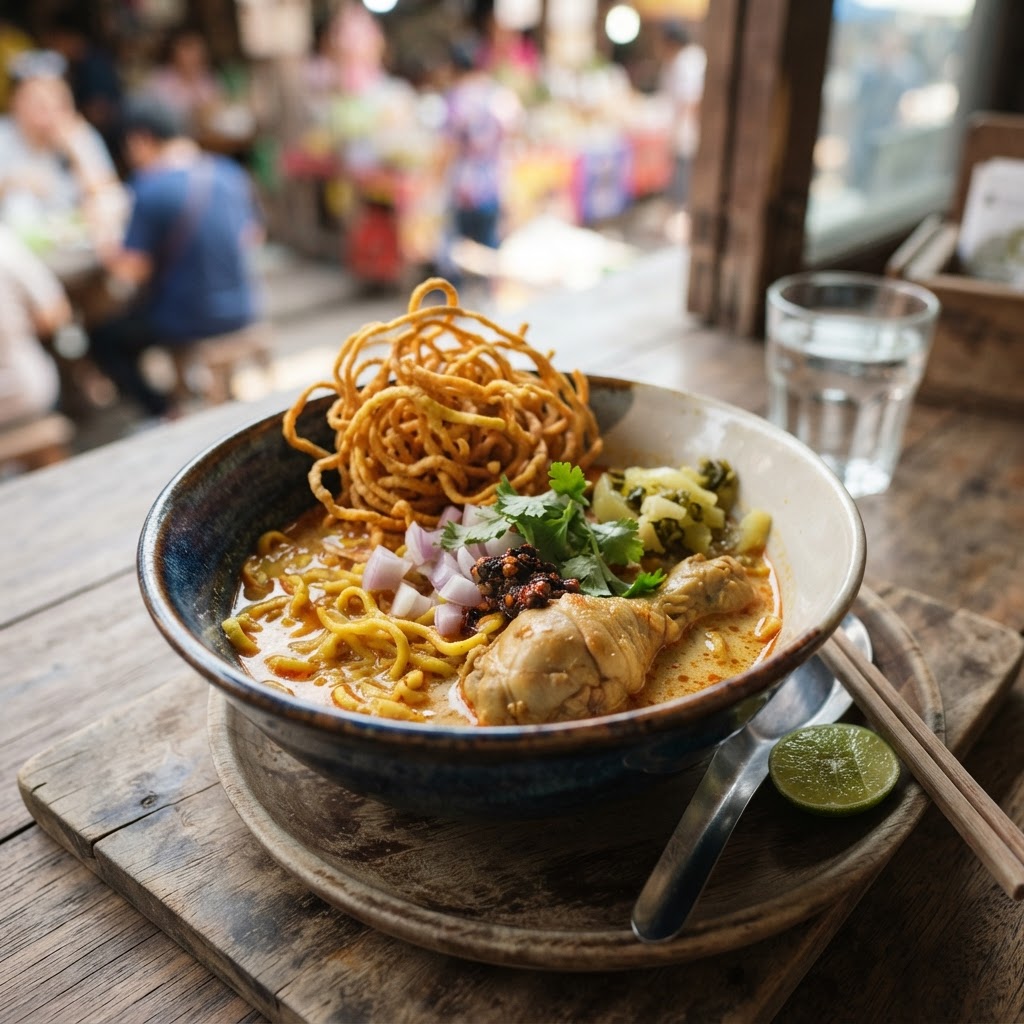
Khao Soi: Chiang Mai's Northern Thai Coconut Curry Noodles
October 13, 2026
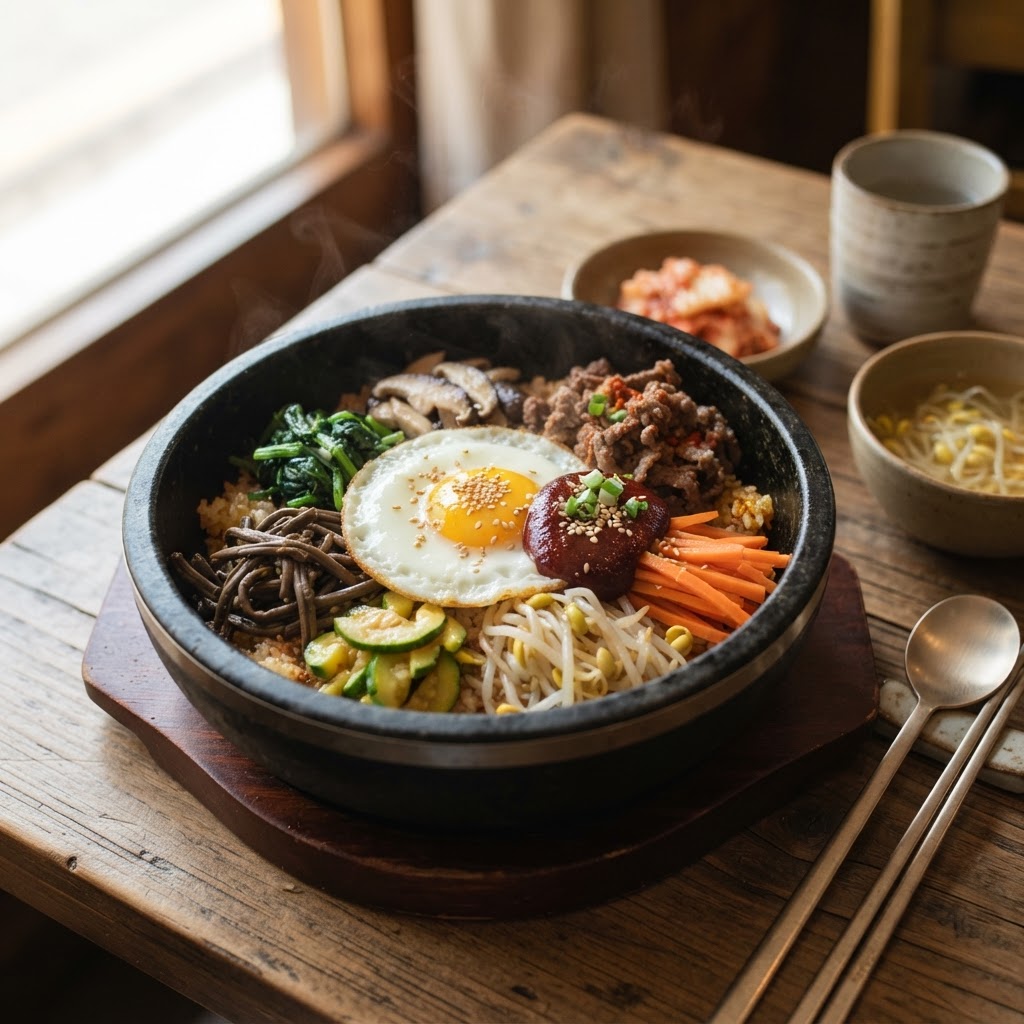
Korean Bibimbap: Jeonju's Joseon Dynasty Mixed Rice
October 11, 2026
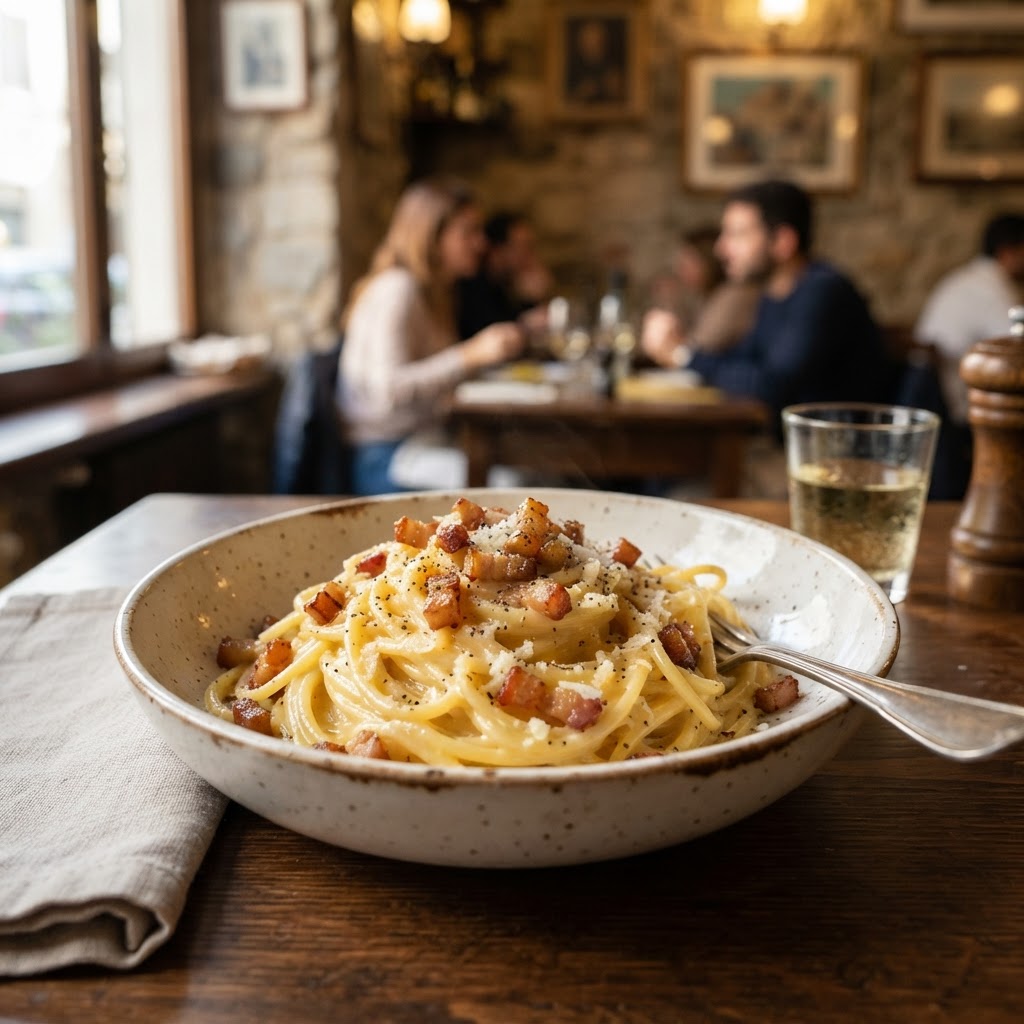
Spaghetti alla Carbonara: Rome's World War II Pasta of Eggs, Guanciale, and Pecorino
October 9, 2026