Kansas City Barbecue Spareribs: Henry Perry and the 1908 Cart That Started a Tradition
September 25, 2026
In 1908, a man named Henry Perry set up a charcoal pit in a downtown alley in Kansas City, Missouri, and began selling smoked meats wrapped in newsprint to workers for a nickel a slab. Perry, born in Shelby County, Tennessee, in 1874, is the man the city recognizes as the father of Kansas City barbecue. His ribs were, by all accounts, "harsh and peppery," seasoned with nothing more than salt, pepper, and smoke, and they drew crowds that grew into lines. By 1920, Perry had moved into a repurposed trolley barn, Kansas City's first barbecue restaurant, and after his death in 1940, his successors carried the tradition forward and built the city into one of the barbecue capitals of the world (Kansas City Public Library — Henry Perry, Barbecue King of Kansas City; American Barbecue Systems — Kansas City Barbecue History).
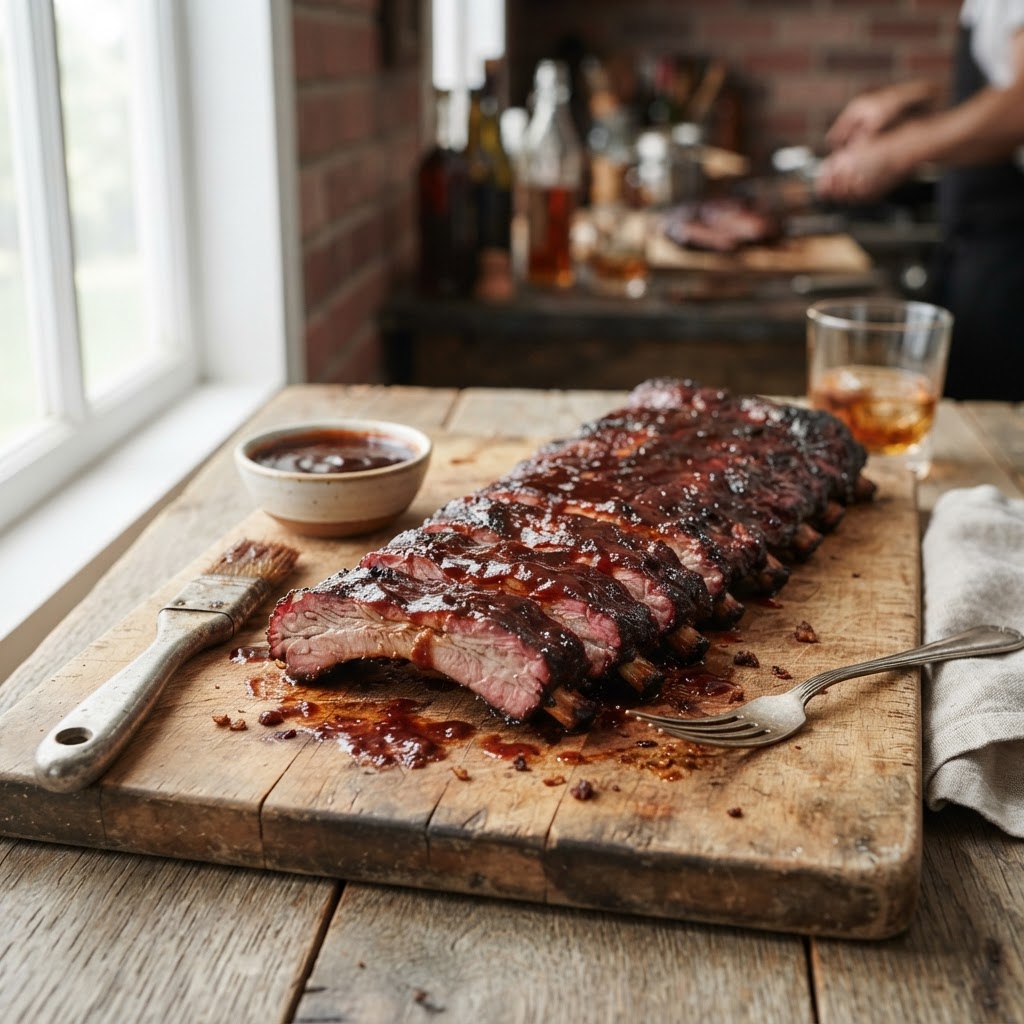
Kansas City barbecue is distinguished from the other great American barbecue traditions by its sauce. While Texas favors dry rubs and Carolina relies on vinegar and mustard, Kansas City is known for its thick, sweet, tomato-based sauce, molasses-rich and brushed on in layers during the final hour of smoking. The spare ribs are cooked low and slow over hickory or oak, and the sauce is applied in coats that caramelize into a dark, sticky glaze. The result is a rack of ribs that is tender enough to pull apart but still has bite, coated in a sauce that is sweet, smoky, and deeply flavored. It is a party dish by design, meant to be eaten with the hands and shared.
Ingredients (serves 6): - 2 full racks pork spareribs (about 4 lb total) - ¼ cup packed brown sugar - 2 tablespoons smoked paprika - 1 tablespoon garlic powder - 1 tablespoon onion powder - 1 tablespoon coarse salt - 1 tablespoon freshly ground black pepper - 1 teaspoon cayenne pepper - 1 cup ketchup - ½ cup molasses - ⅓ cup apple cider vinegar - 2 tablespoons Worcestershire sauce - 1 tablespoon yellow mustard - 1 teaspoon liquid smoke - Hickory or oak wood chunks, for smoking
Instructions: Remove the membrane from the back of each rack of ribs. In a small bowl, combine the brown sugar, paprika, garlic powder, onion powder, salt, pepper, and cayenne. Rub the mixture generously over both sides of the ribs. Prepare a smoker or grill for indirect low heat, about 250°F, and add the wood chunks. Place the ribs bone-side down on the cooler side of the grill. Smoke for 3 hours, maintaining the temperature. In a saucepan, combine the ketchup, molasses, vinegar, Worcestershire, mustard, and liquid smoke. Simmer 15 minutes, stirring occasionally. After the first 3 hours, begin basting the ribs with the sauce every 30 minutes. Continue smoking for another 1 to 1½ hours, until the meat has pulled back from the bones and a fork inserts easily. Rest the ribs 10 minutes, then cut between the bones into individual ribs.
For a Crowd (serves 12): - Use 4 racks and a larger smoker, or smoke in two batches. The rub can be applied the night before and the ribs refrigerated overnight, which improves the flavor. Hold finished ribs in a warm oven (170°F) wrapped in foil for up to 2 hours.
Variations: - St. Louis Cut: Trim the racks into the rectangular St. Louis cut for a neater presentation. - Dry Rub Only (Memphis Style): Skip the sauce entirely and serve the ribs dusted with rub, Memphis-style. - Burnt Ends: Save the rib tips, season them with rub, and smoke them separately for Kansas City-style burnt ends.
Pairing: Kansas City ribs pair with a cold American lager or a dark porter. For a brunch gathering, a sparkling mimosa with a hint of peach or mango complements the sweet, smoky sauce. Serve with baked beans, coleslaw, and cornbread. For another American barbecue tradition, try our Texas smoked brisket or our Argentine asado.
Reference Links: - Taking a 'Cue from the Master: Henry Perry, Barbecue King of Kansas City (1908 cart, Tennessee origins, trolley barn): Kansas City Public Library - The History of Kansas City Barbecue (Henry Perry, 1908, newsprint, hickory smoke): American Barbecue Systems
Pro Tips: Removing the membrane is the single most important step. Use a butter knife to lift one corner, then grip it with a paper towel and peel it off in one sheet. The membrane, if left on, turns papery and tough and prevents the rub from penetrating. Keep the smoker temperature steady; fluctuations above 275°F will dry the meat and toughen it. The sauce should be applied in thin, repeated coats, not one thick layer, so each coat caramelizes into a glaze rather than pooling. Test doneness by inserting a fork between two bones; if it slides in with gentle resistance, the ribs are done. Let the ribs rest before cutting so the juices redistribute and the meat holds together on the bone.
Rate this recipe
Be the first to rate this recipe
to submit your rating.
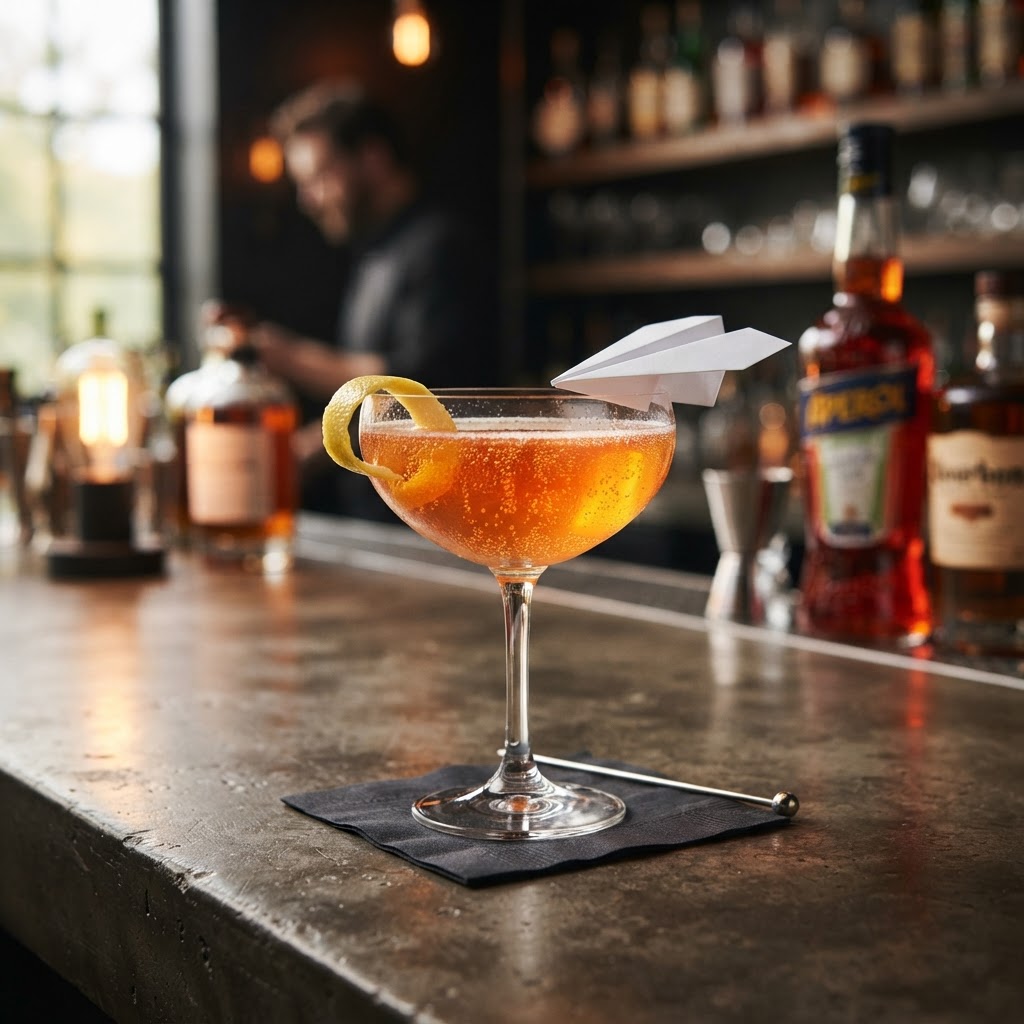
Perfect Mimosa Pairings
Mimosas that pair perfectly with this dish
Recent Posts

Couscous Royale: North Africa's Grand Platter of Lamb, Chicken, and Merguez
October 14, 2026

Seattle Cream Cheese Dog Bites: Hadley Long's 1989 Pioneer Square Invention
October 14, 2026

Khao Soi: Chiang Mai's Northern Thai Coconut Curry Noodles
October 13, 2026

Korean Bibimbap: Jeonju's Joseon Dynasty Mixed Rice
October 11, 2026

Spaghetti alla Carbonara: Rome's World War II Pasta of Eggs, Guanciale, and Pecorino
October 9, 2026