Biscuits and Chocolate Gravy: The Appalachian Mountain Breakfast
February 6, 2026
Biscuits and chocolate gravy is one of the most popular — and most misunderstood — breakfast dishes in the American South. Split buttermilk biscuits, smothered in a warm, sweet, chocolate gravy that's somewhere between a sauce and a pudding. To outsiders it sounds strange; to anyone who grew up in the Appalachian South — particularly eastern Kentucky, Tennessee, Alabama, and the Arkansas Ozarks — it's the taste of childhood, of Sunday mornings, of home.
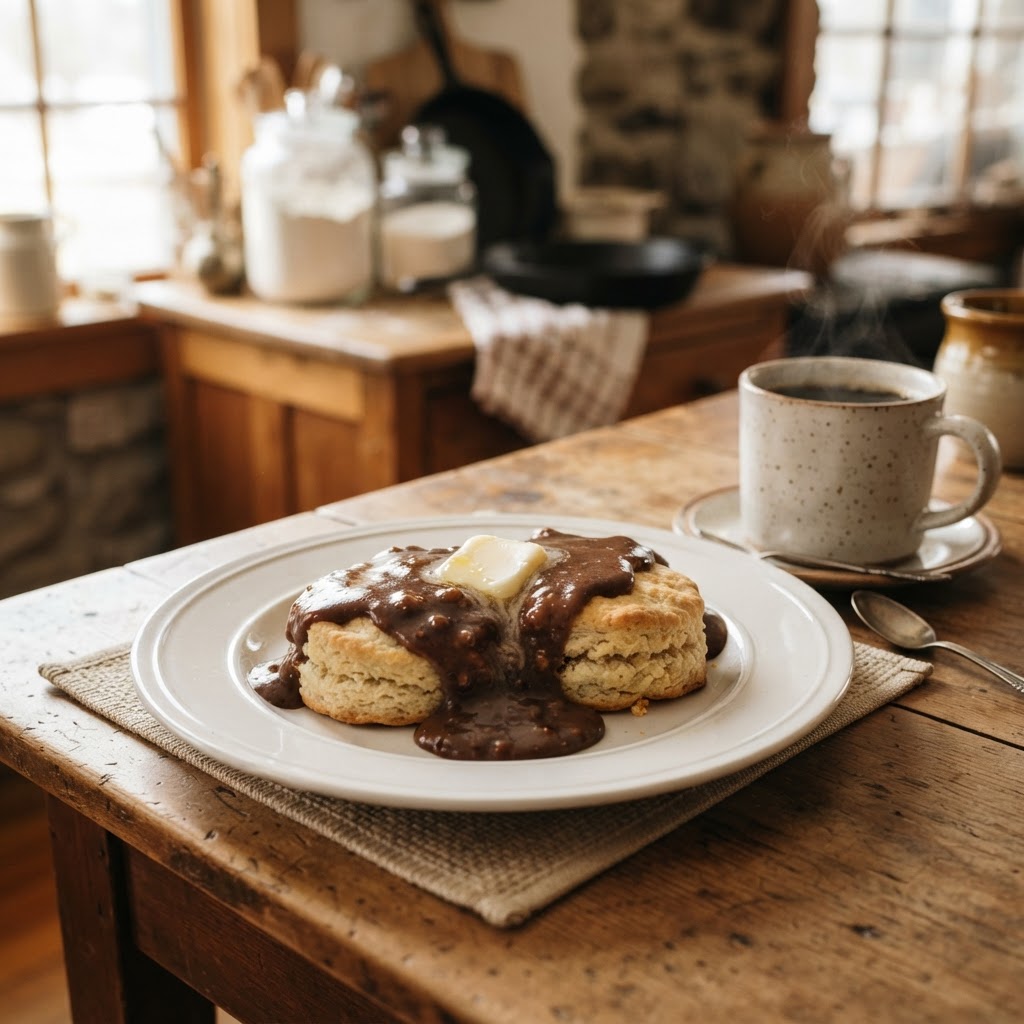
Chocolate gravy is a traditional Appalachian and Ozark breakfast dish, part of the cuisine of the mountain South. Despite the name, it's not a savory gravy at all — it's a sweet, chocolatey sauce made from cocoa powder, sugar, butter, flour, and milk, cooked until thick and glossy and poured warm over freshly baked buttermilk biscuits. The texture is smooth and pourable, like a warm chocolate pudding, and the flavor is deeply chocolatey with a hint of sweetness that's perfect for a morning treat.
The exact origins of chocolate gravy are murky, as with many folk food traditions. Food historians hypothesize that the sweet sauce may have been born from the trade network between Spanish Louisiana and the Tennessee Valley in the late 18th and early 19th centuries. Spanish colonists in Louisiana had access to cocoa and chocolate (brought from Mexico), and trade routes connected the Mississippi River valley to the Appalachian frontier. Appalachian settlers may have reimt of a traditional Spanish or Mexican chocolate drink into a "gravy" using the ingredients they had on hand — cocoa powder, flour, and milk. Another theory suggests that chocolate gravy descended from the Spanish colonists' hot chocolate traditions, adapted by Appalachian cooks into a thicker, pourable sauce.
The dish is particularly associated with the Ozark region of Arkansas and Missouri, and with the Appalachian regions of eastern Kentucky, Tennessee, and northern Alabama. The food writer Ronni Lundy, in her book "Victuals: Recipes from the Journey of Appalachian Food," traces chocolate gravy to the mountain South and notes that it's been a fixture of Appalachian breakfast tables for generations. It's a dish that's been passed down through families rather than cookbooks — many people who grew up with it learned it from their grandmother and never saw it written down.
The key to a great chocolate gravy is achieving the right consistency — thick enough to coat a biscuit, but still pourable and spoonable. It should be smooth and glossy, not lumpy, and the chocolate flavor should be deep and rich. The cocoa powder (not melted chocolate) is traditional and gives the gravy its characteristic flavor and texture.
Our Mimosavated version serves the chocolate gravy over homemade buttermilk biscuits, with the mimosa pairing being a bright, fruity mimosa that complements the chocolate.
Ingredients (serves 6):
The Buttermilk Biscuits: - 14 ⅛ oz all-purpose flour (plus extra for dusting) - 1 tablespoon baking powder - 1 teaspoon baking soda - 1 teaspoon salt - 1 tablespoon granulated sugar - 4 ¼ oz unsalted butter, very cold, cut into cubes - 1 cup buttermilk, cold (plus extra for brushing)
The Chocolate Gravy: - 1 ¾ oz unsalted butter - 1 ⅓ oz all-purpose flour - 1 oz unsweetened cocoa powder - 3 ½ oz granulated sugar - ¼ teaspoon salt - 2 ⅛ cups whole milk (warm) - 1 teaspoon vanilla extract - A pinch of cinnamon (optional but traditional)
Making the Biscuits: Preheat the oven to 446°F (450°F). Line a baking sheet with parchment paper.
In a large bowl, whisk together the flour, baking powder, baking soda, salt, and sugar. Add the cold butter cubes and cut in with your fingers or a pastry blender until the mixture resembles coarse crumbs with some pea-sized pieces of butter remaining. Make a well in the center and pour in the buttermilk. Stir with a fork just until the dough comes together — it should be soft and slightly sticky, not smooth.
Turn the dough out onto a lightly floured surface. Gently fold the dough over itself 4–5 times (this creates layers). Pat or roll the dough to about ¾ in (¾ inch) thick. Cut out biscuits with a 2 ⅓ in (2.5 inch) cutter — press straight down without twisting, and dip the cutter in flour between cuts. Place the biscuits on the prepared baking sheet, touching each other slightly (this helps them rise). Gather scraps, pat out, and cut again — don't re-roll more than once.
Brush the tops with buttermilk. Bake for 12–15 minutes, until tall and golden brown.
Making the Chocolate Gravy: While the biscuits are baking, melt the butter in a saucepan over medium heat. Whisk in the flour and cocoa powder and cook for 1–2 minutes, whisking constantly, until the mixture is smooth and fragrant — this cooks out the raw flour taste and blooms the cocoa.
Gradually whisk in the warm milk, a little at a time, whisking constantly to prevent lumps. Add the sugar, salt, and cinnamon (if using). Continue cooking and whisking for 5–8 minutes, until the gravy thickens to a coating consistency — it should be thick enough to coat the back of a spoon and pour slowly. Remove from heat and stir in the vanilla.
Serving: Split the hot biscuits and arrange on plates. Pour the warm chocolate gravy generously over the biscuits. Serve immediately — the contrast between the hot, flaky biscuit and the warm, sweet chocolate gravy is the entire point. Add a pat of butter on top if you're feeling indulgent.
The Mimosa Pairing Logic: Biscuits and chocolate gravy is sweet, rich, and comforting. The ideal mimosa pairing is a classic Prosecco mimosa — orange juice and Prosecco. The bright, acidic citrus cuts through the richness of the chocolate and the buttery biscuits, while the Prosecco's effervescence cleanses the palate. A strawberry mimosa is also excellent — the strawberry and chocolate is a classic pairing. Avoid heavy or bitter mimosas — the dish is sweet and rich, and you need something bright and fruity to balance it.
Reference Links: - Chocolate gravy on Wikipedia (Appalachian cuisine): Wikipedia - Why Southerners Are Obsessed With Chocolate Gravy (Appalachian origins): Allrecipes - Chocolate Gravy (Spanish Louisiana, Tennessee Valley origins): Gastro Obscura / Atlas Obscura - Ozark Heritage Poured Over a Biscuit (Appalachia to Ozarks): ABOUT the River Valley Magazine - The Cult of Chocolate Gravy (eastern Kentucky roots): Anna Kline Creates
Make-Ahead: The biscuits are best made and baked fresh — the dough can be made up to 2 hours ahead and kept refrigerated, but freshly baked biscuits are far superior. The chocolate gravy can be made up to 2 hours ahead and kept warm over a double boiler — add a splash of milk if it thickens too much. Reheat the gravy gently over low heat, whisking frequently. Leftover biscuits can be reheated in a 347°F/350°F oven for 5 minutes. The gravy can be refrigerated for up to 3 days — reheat gently with a splash of milk. Do not freeze the gravy — the texture separates.
Pro Tips: Keep the butter and buttermilk ice-cold — this is the single most important rule of biscuits. Cold butter creates steam pockets during baking, which gives the biscuits their flaky, layered texture. Don't overwork the dough — mix just until it comes together; overworking develops gluten and makes the biscuits tough. Fold the dough over itself 4–5 times before cutting — this creates the layers that make biscuits flaky. Press the cutter straight down without twisting — twisting seals the edges and prevents the biscuits from rising. Use cocoa powder, not melted chocolate — cocoa powder gives the gravy its traditional texture and flavor, and melted chocolate would make it too thick and rich. Whisk constantly while adding the milk — this prevents lumps and ensures a smooth gravy. Cook the flour and cocoa for 1–2 minutes before adding the milk — this cooks out the raw flour taste and blooms the cocoa, deepening its flavor. Serve immediately — the biscuits are at their best hot from the oven, and the chocolate gravy should be warm and pourable.
Rate this recipe
Be the first to rate this recipe
to submit your rating.
Recent Posts
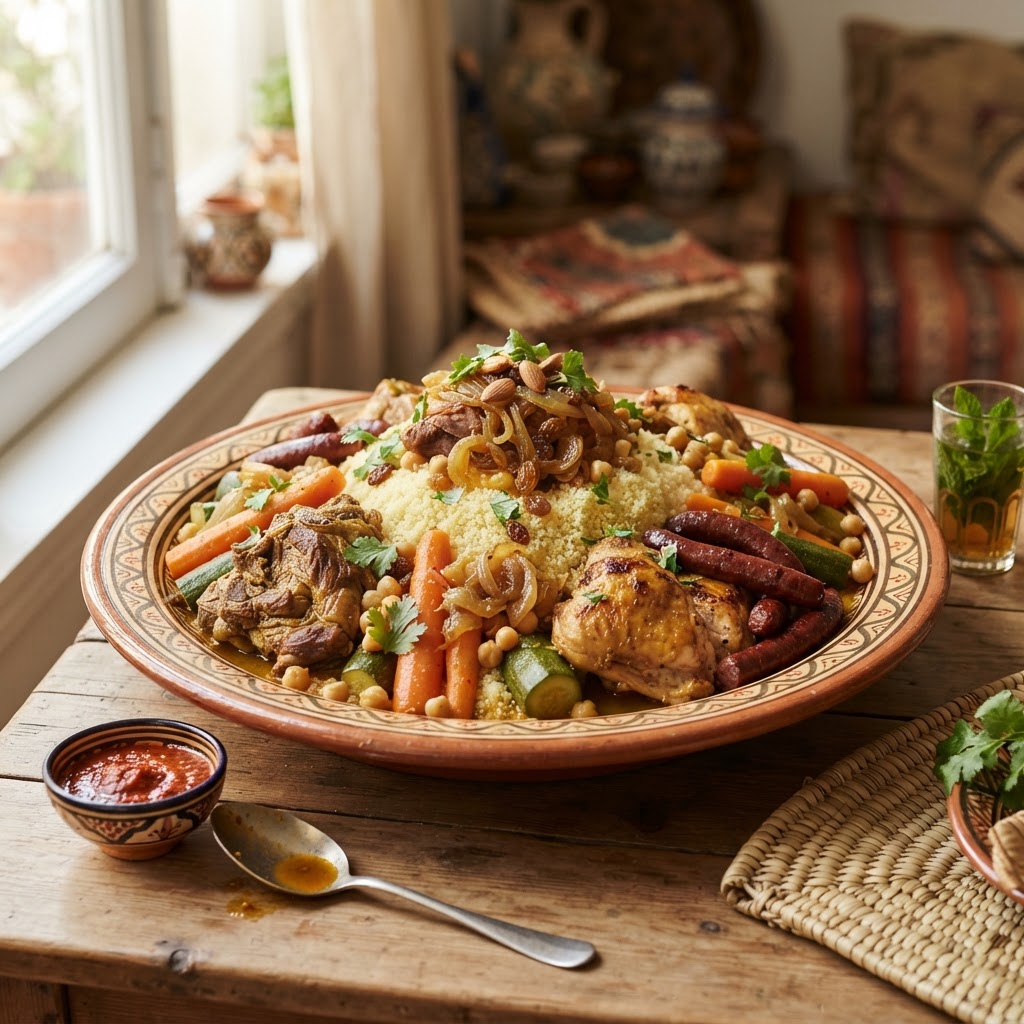
Couscous Royale: North Africa's Grand Platter of Lamb, Chicken, and Merguez
October 14, 2026
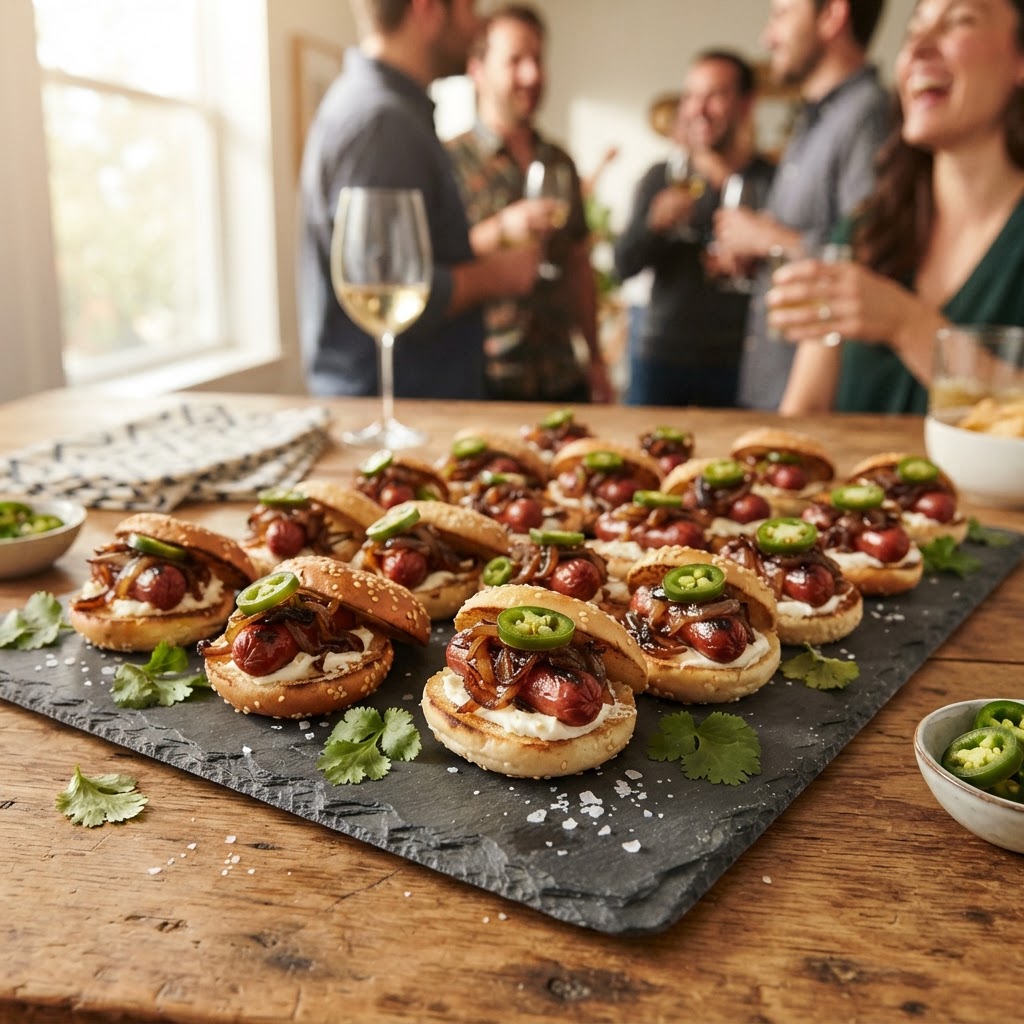
Seattle Cream Cheese Dog Bites: Hadley Long's 1989 Pioneer Square Invention
October 14, 2026
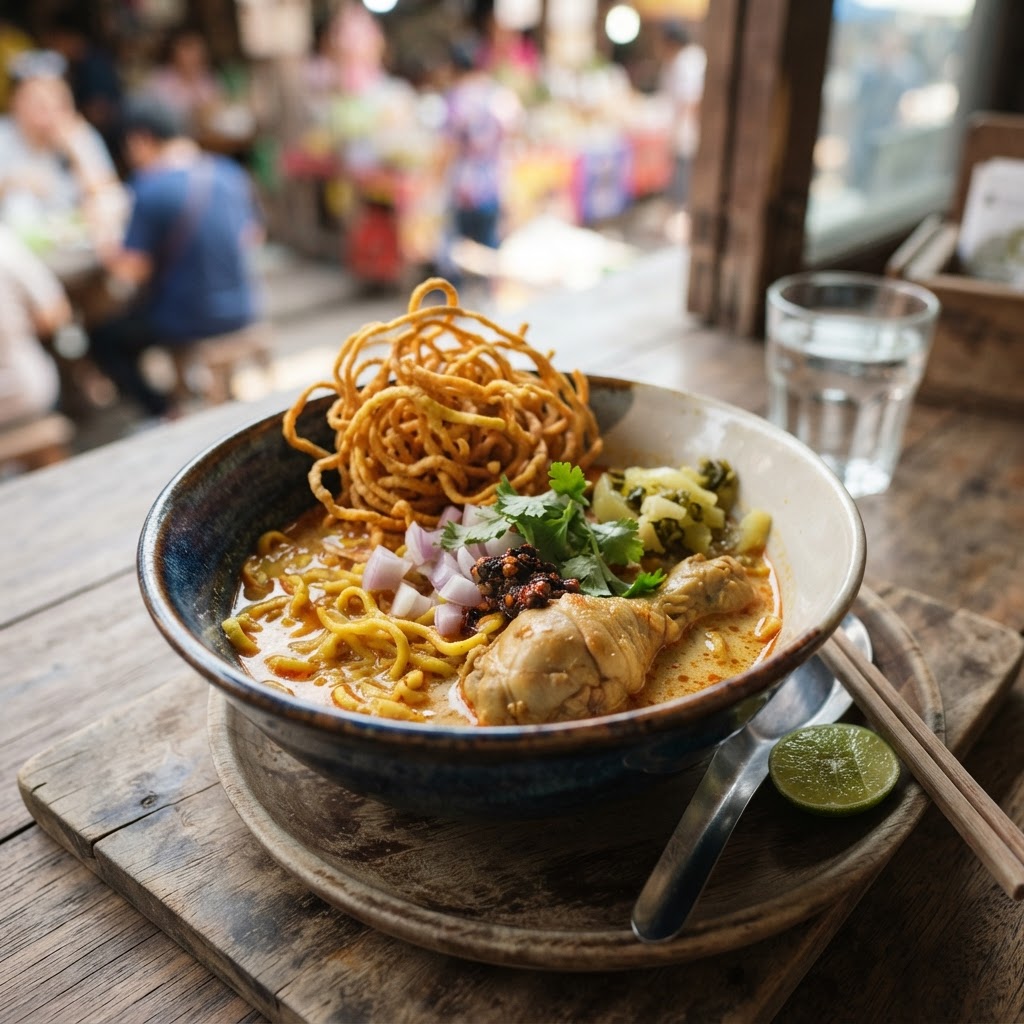
Khao Soi: Chiang Mai's Northern Thai Coconut Curry Noodles
October 13, 2026
Korean Bibimbap: Jeonju's Joseon Dynasty Mixed Rice
October 11, 2026
Spaghetti alla Carbonara: Rome's World War II Pasta of Eggs, Guanciale, and Pecorino
October 9, 2026