Arepas with Shredded Beef and Avocado Crema
July 24, 2026
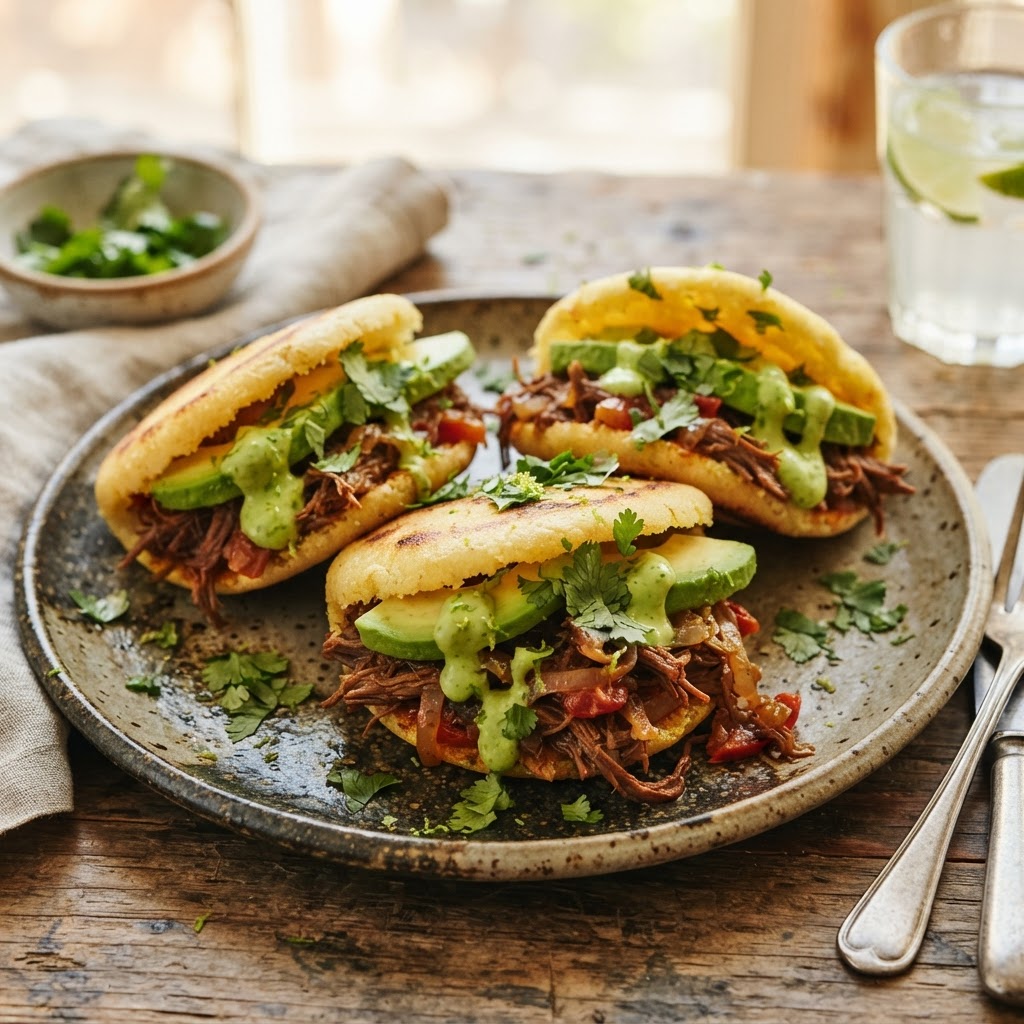
Arepas with shredded beef — *arepas con carne mechada* — are one of the most famous foods of Venezuela and Colombia, a pre-Columbian corn cake that has survived five hundred years of history to become one of the most popular street and home foods in South America. The arepa is a flat, round disc made from pre-cooked white cornmeal (*harina de maíz precocida*), griddled until crisp on the outside, then split open and stuffed with any of dozens of fillings. In Venezuela, the most famous and popular filling is *carne mechada* — slow-cooked, shredded beef seasoned with onion, garlic, bell pepper, cilantro, and tomato, a dish closely related to the Cuban *ropa vieja*. The cool, green avocado crema on top is the modern touch that makes the dish sing.
The arepa predates European contact by centuries. The indigenous peoples of the northern Andes — the Timoto-Cuica of what is now Venezuela and the Chibcha of what is now Colombia — were grinding and cooking corn long before the arrival of the Spanish. The word *arepa* is believed to derive from the indigenous word *erepa*, meaning "corn." The pre-cooked cornmeal that makes modern arepa-making practical was invented in the 1950s by Venezuelan engineer Luis Caballero Mejías, who developed an industrial process to pre-cook and dehydrate corn flour, making arepa preparation possible in minutes rather than the hours required to soak and grind dried corn. Harina P.A.N., introduced by Empresas Polar in 1960, became and remains the standard brand — it is to Venezuelans what flour is to bakers.
About the Ingredients
Harina de maíz precocida must be a pre-cooked white cornmeal specifically labelled for arepas. Harina P.A.N. is the original and most authentic brand, available at any Latin American grocery and most major supermarkets in the United States. Do not substitute masa harina (used for Mexican tortillas) or cornmeal (used for American cornbread) — they are different products with different textures.
Beef should be a chuck roast or brisket — a cut with connective tissue that breaks down during long cooking into tender, shreddable meat. The slow braise in seasoned broth is what gives *carne mechada* its depth of flavour.
Avocados should be ripe Hass avocados. The crema is made by blending avocado with sour cream or Mexican *crema*, lime juice, and cilantro — a cool, bright, creamy sauce that balances the rich, savoury beef.
Ingredients (makes 12 small arepas, serves 8–10): - 2 cups Harina P.A.N. (or other pre-cooked white cornmeal) - 2½ cups warm water - 1 teaspoon salt - 1 tablespoon vegetable oil or melted butter - Vegetable oil for griddling
For the carne mechada (shredded beef): - 2 lbs beef chuck roast, trimmed of excess fat - 1 large onion, sliced - 4 cloves garlic, smashed - 1 green bell pepper, sliced - 1 red bell pepper, sliced - 2 tomatoes, chopped - 1 tablespoon ground cumin - 1 teaspoon dried oregano - 2 bay leaves - 4 cups beef broth (or water) - 2 tablespoons vegetable oil - 2 tablespoons fresh cilantro, chopped - Salt and black pepper to taste
For the avocado crema: - 2 ripe Hass avocados - ½ cup sour cream or Mexican crema - 2 tablespoons fresh lime juice - 1 small bunch fresh cilantro - 1 clove garlic - ½ teaspoon cumin - Salt to taste
Instructions: For the beef: season the roast generously with salt and pepper. Heat the oil in a Dutch oven and brown the beef deeply on all sides, about 4 minutes per side. Remove. In the same pot, sauté the onion, bell peppers, and garlic until soft. Add the tomatoes, cumin, oregano, and bay leaves. Return the beef and add broth to cover. Bring to a boil, reduce to a simmer, cover, and cook for 2½–3 hours until the beef falls apart when prodded with a fork. Remove the beef and shred with two forks. Strain the cooking liquid and reduce by half over high heat. Return the shredded beef to the reduced liquid and simmer for 10 minutes. Stir in cilantro. Keep warm.
For the avocado crema: blend the avocados, sour cream, lime juice, cilantro, garlic, cumin, and salt in a blender until completely smooth. Adjust seasoning. Transfer to a bowl.
For the arepas: mix the warm water and salt in a bowl. Gradually add the cornmeal, kneading with your hands until you have a smooth, soft dough that holds its shape without cracking — about 3 minutes. Let the dough rest for 5 minutes. Divide into 12 pieces. Roll each into a ball and flatten into a disc about ½ inch thick and 3 inches in diameter.
Heat a griddle or cast-iron skillet over medium heat and lightly oil. Cook the arepas for 5–6 minutes per side until golden and slightly crisp. Transfer to a 350°F (347°F) oven and bake for 10 minutes to finish cooking the centre — they should sound slightly hollow when tapped.
Split the arepas open with a knife (like a pita). Stuff generously with shredded beef. Top with a spoonful of avocado crema. Serve immediately.
The Mimosa Pairing Logic: The rich, slow-braised beef, the earthy corn arepa, and the bright avocado crema create a complex, savoury profile that pairs beautifully with a mimosa. A passionfruit mimosa or a mango mimosa is ideal — the tropical fruit echoes the Latin American flavour palette, the acidity of the citrus cuts through the rich beef and the creamy avocado, and the bubbles provide a refreshing contrast to this deeply flavoured dish. The corn in the arepa has a natural sweetness that is amplified by the orange juice.
Reference Links: - Venezuelan arepa guide: TasteAtlas - Harina P.A.N. history: empresaspolar.com - Carne mechada recipe: Serious Eats
Make-Ahead: The carne mechada can be made 2 days ahead and reheated — it improves with time as the flavours meld. The avocado crema should be made no more than 4 hours ahead (press plastic directly onto the surface to prevent browning). The arepa dough can be mixed and shaped a day ahead, wrapped tightly, and refrigerated. Cook the arepas just before serving; they are best hot off the griddle.
Pro Tips: The dough consistency is critical — too wet and the arepas spread and stick; too dry and they crack. Add water or cornmeal by the teaspoon to adjust. Let the dough rest 5 minutes before shaping — the cornmeal absorbs the water and changes consistency. The griddle should be medium heat — too hot and the outside burns before the inside cooks; too low and they dry out. The oven finish is the traditional Venezuelan technique for ensuring a fully cooked, slightly hollow centre. Press the arepa with your finger — if it springs back, it is done.
Rate this recipe
Be the first to rate this recipe
to submit your rating.
Recent Posts
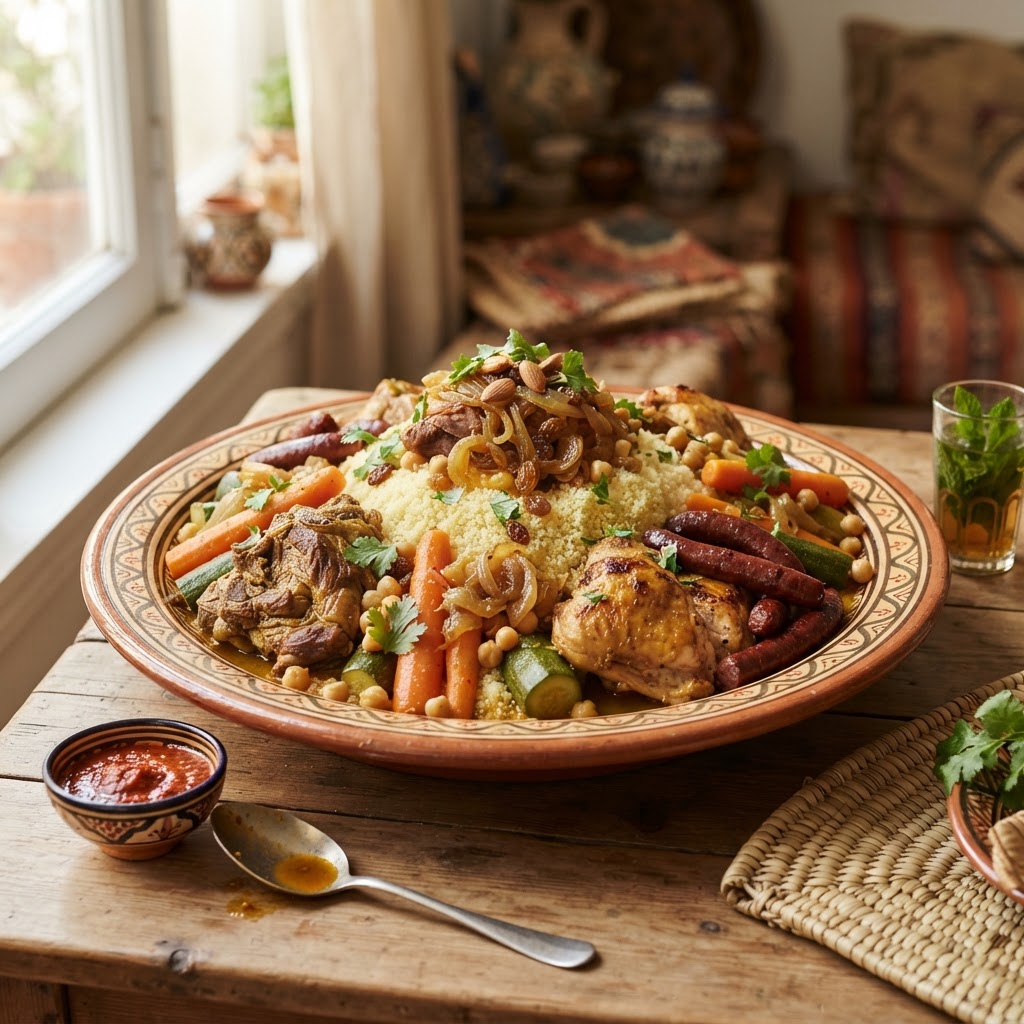
Couscous Royale: North Africa's Grand Platter of Lamb, Chicken, and Merguez
October 14, 2026
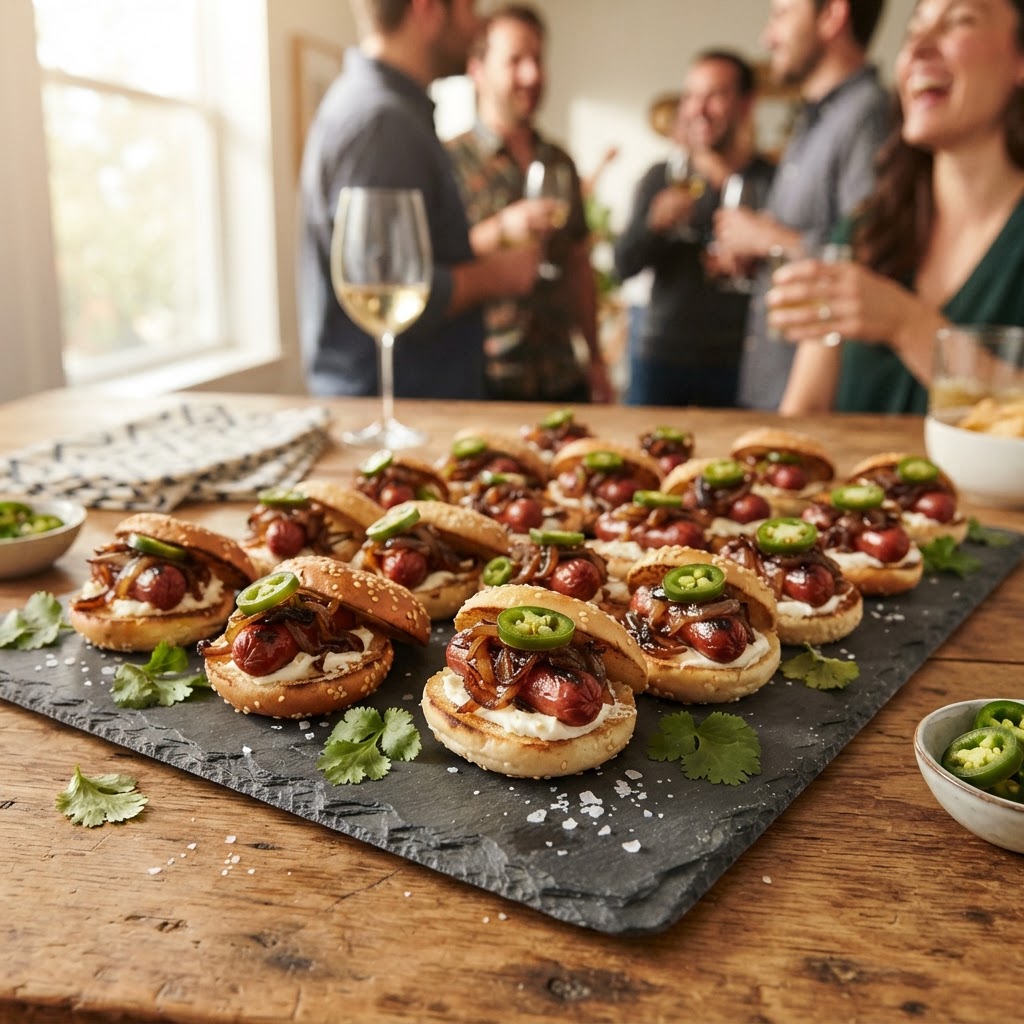
Seattle Cream Cheese Dog Bites: Hadley Long's 1989 Pioneer Square Invention
October 14, 2026
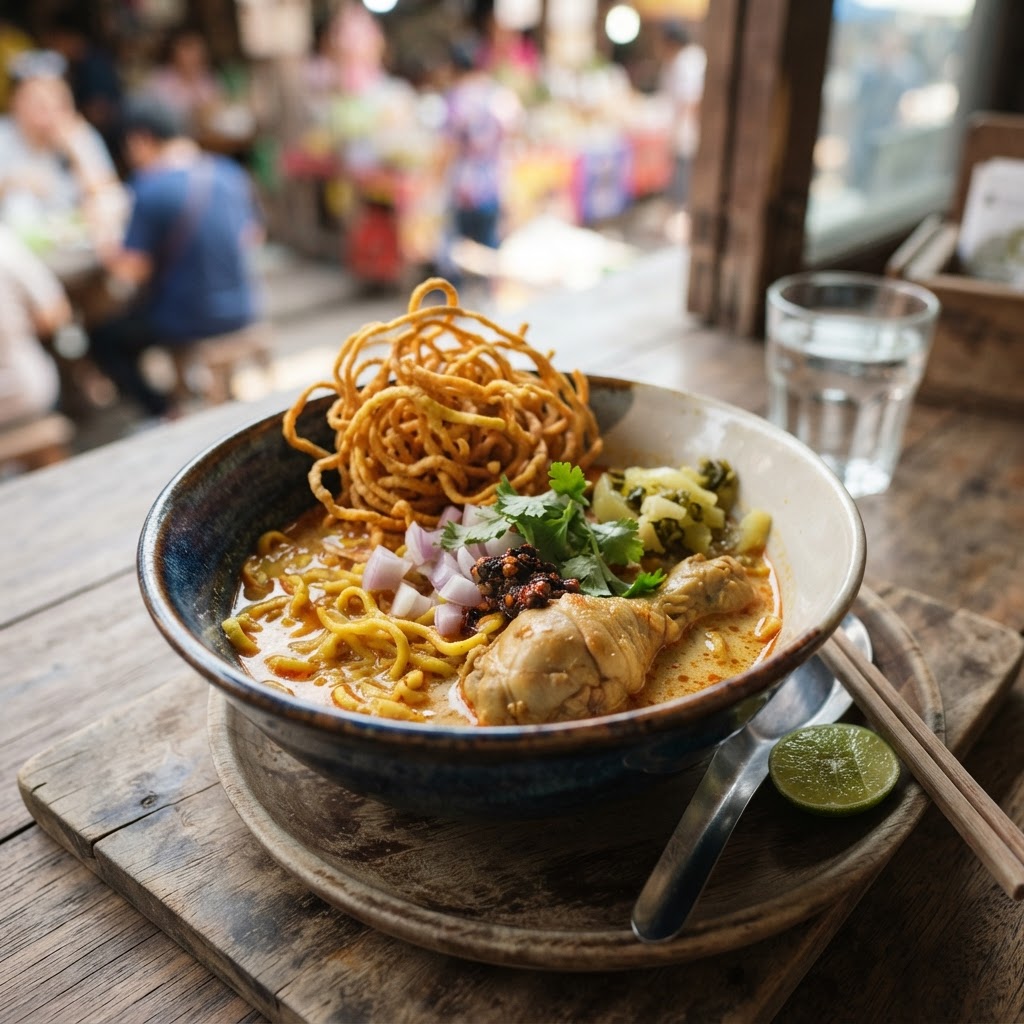
Khao Soi: Chiang Mai's Northern Thai Coconut Curry Noodles
October 13, 2026
Korean Bibimbap: Jeonju's Joseon Dynasty Mixed Rice
October 11, 2026
Spaghetti alla Carbonara: Rome's World War II Pasta of Eggs, Guanciale, and Pecorino
October 9, 2026